
Hold Both Books At Once
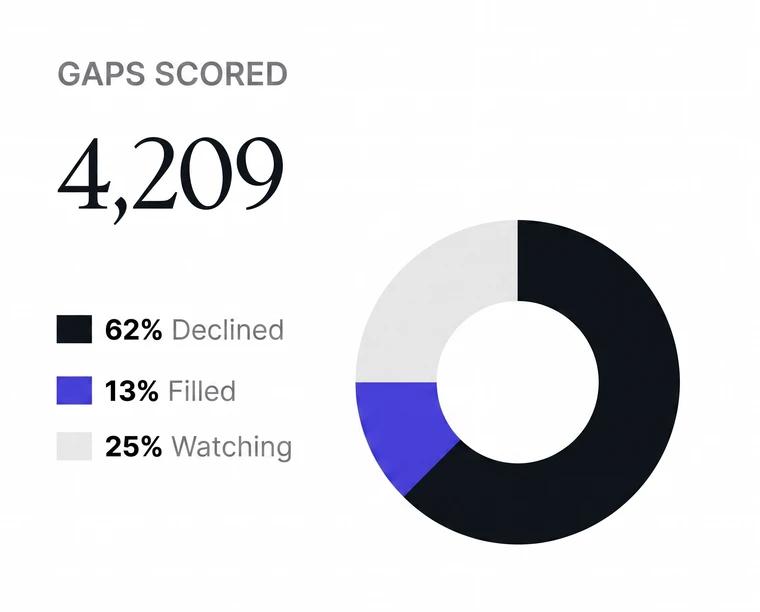
Every tokenized equity is streamed alongside the listing it mirrors, tick by tick. Both books sit in memory together, so a gap is scored the moment it opens.

 Introducing AI6
An autonomous agent that reads a listing and its tokenized twin as one book, scores the gap against every cost, and buys the real share.
Introducing AI6
Every tokenized equity is streamed alongside the listing it mirrors, tick by tick. Both books sit in memory together, so a gap is scored the moment it opens.
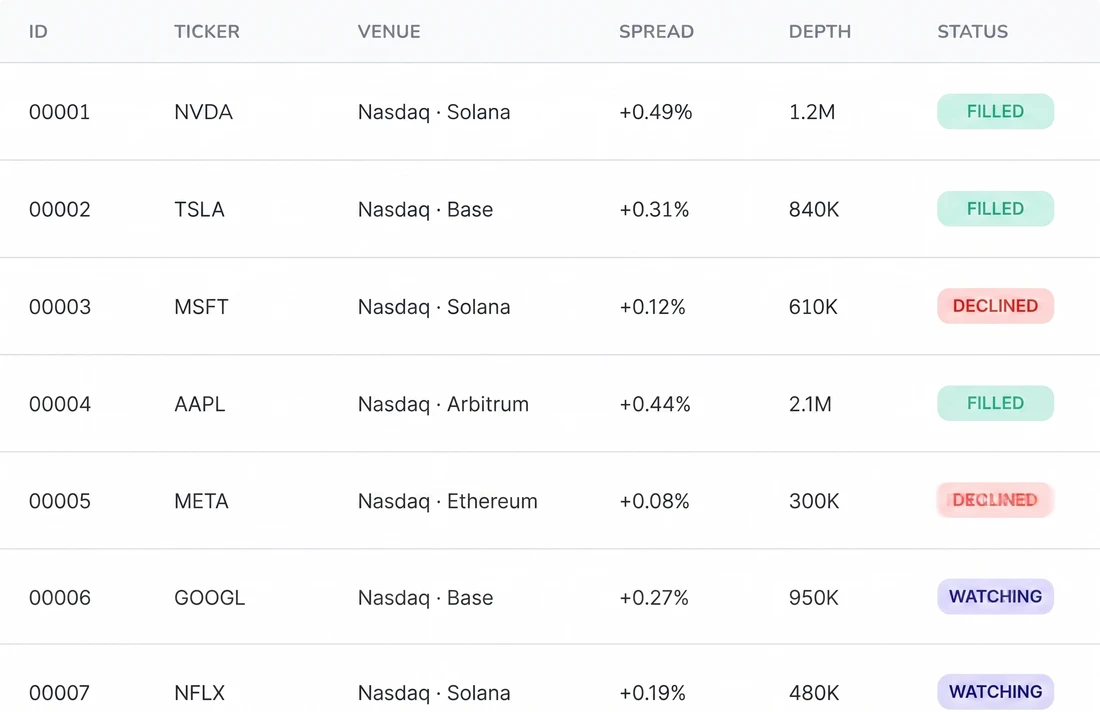
Fees, slippage, gas and settlement come off before a spread counts. Anything under the 0.35% floor is declined — most of them are, and that is the point.
No synthetics, no leverage, no shorting. When the token trades rich, AI6 buys the actual equity through a regulated broker rail and holds it in segregated custody.
Protocol
01 – Score
A tokenized equity is supposed to track its listing one-for-one. It rarely does, tick for tick. The agent measures that difference against real depth, subtracts every cost of closing it, and only then decides whether a gap exists at all.
02 – Execute
The fill goes through a regulated broker rail and the share lands in segregated custody. AI6 is long the real equity or it is flat — nothing is minted, borrowed, shorted or levered, and size scales with confidence rather than conviction.
03 – Settle
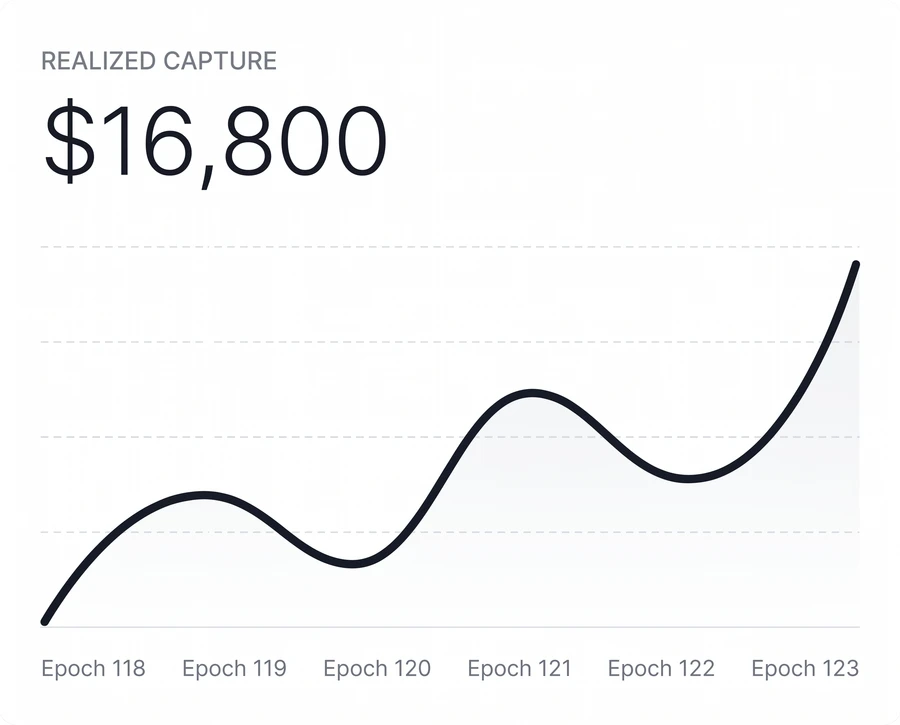
Every twenty-four hours the cycle closes. Realized capture and any dividends are converted and streamed pro rata to holders — nothing to claim, no gate to pass. The treasury keeps zero percent, and the fills, the custody attestation and the distribution hash are posted in full.
Coverage
The chain never closes, the exchange does. Weekend headlines move the token before the listing reopens, and the agent fills against the recorded gap at the Monday open.
Earnings reprice the token first. Coverage tightens around scheduled releases, and the agent separates a real repricing from an onchain overshoot before it commits size.
A thin book prices badly. Spread is measured against real depth rather than the top of book, and most thin-book gaps are declined once the fill cost is subtracted.